Islamic History: 1,400 Years, One Clear Story
Islamic history runs from a cave outside Mecca to empires spanning three continents, through golden ages of science, cities of light, and long twilights. This page is the map: every major era in order, with a deep guide for each. Start anywhere, or start at the beginning.
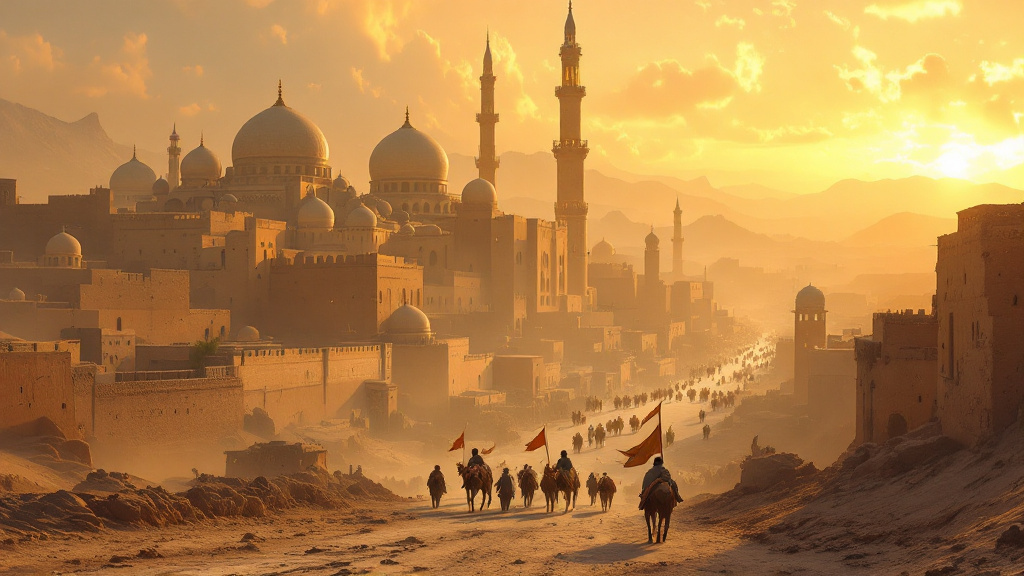
The eras of Islamic history
In broad strokes, the story unfolds in five great movements.
The Prophet ﷺ and the Rashidun
Revelation begins in Mecca around 610. The Prophet Muhammad ﷺ builds a community in Medina after the Hijra of 622, and by his death in 632 Arabia is united. Four Rightly Guided caliphs, Abu Bakr (RA), Umar (RA), Uthman (RA) and Ali (RA), then lead the community as it spreads far beyond Arabia.
Meet the founding generation →The Umayyads
The first dynasty rules from Damascus and pushes the frontiers from the Atlantic to Central Asia, carrying Islam into Spain in 711. In under a century, an empire larger than Rome’s at its height.
The Abbasids and the Golden Age
Baghdad becomes the largest, most learned city on earth. The House of Wisdom translates and transforms the world’s knowledge; algebra, medicine, optics and astronomy leap forward for five centuries, until the Mongols sack the city in 1258.
Read the Golden Age guide →Al-Andalus: Islamic Spain
At the other end of the Mediterranean, Muslim Spain builds Cordoba into the brightest city of the West, and later the Alhambra of Granada. Nearly eight centuries of rise, brilliance and decline.
Read the Al-Andalus guide →The later empires
The Ottomans rise from Anatolia to rule three continents for six centuries, taking Constantinople in 1453; the Safavids remake Persia and the Mughals build the Taj Mahal in India. The Ottoman caliphate ends in 1924, where the modern Muslim world begins.
The guides
Deep, sourced reads on the eras and themes, each one written to be understood on the first pass.
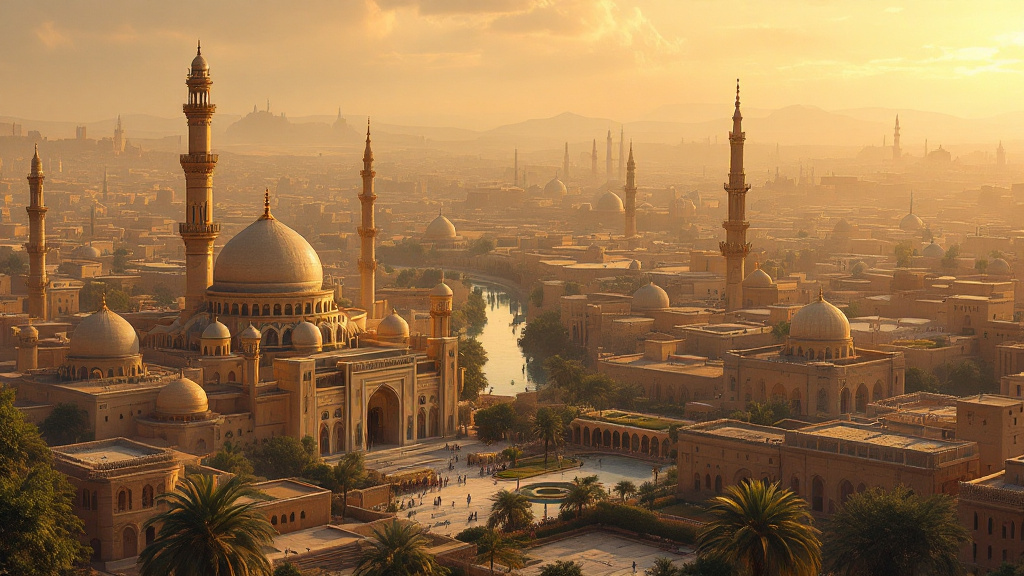
The Islamic Golden Age
Baghdad, the House of Wisdom, and five centuries when the Muslim world led the earth in learning.
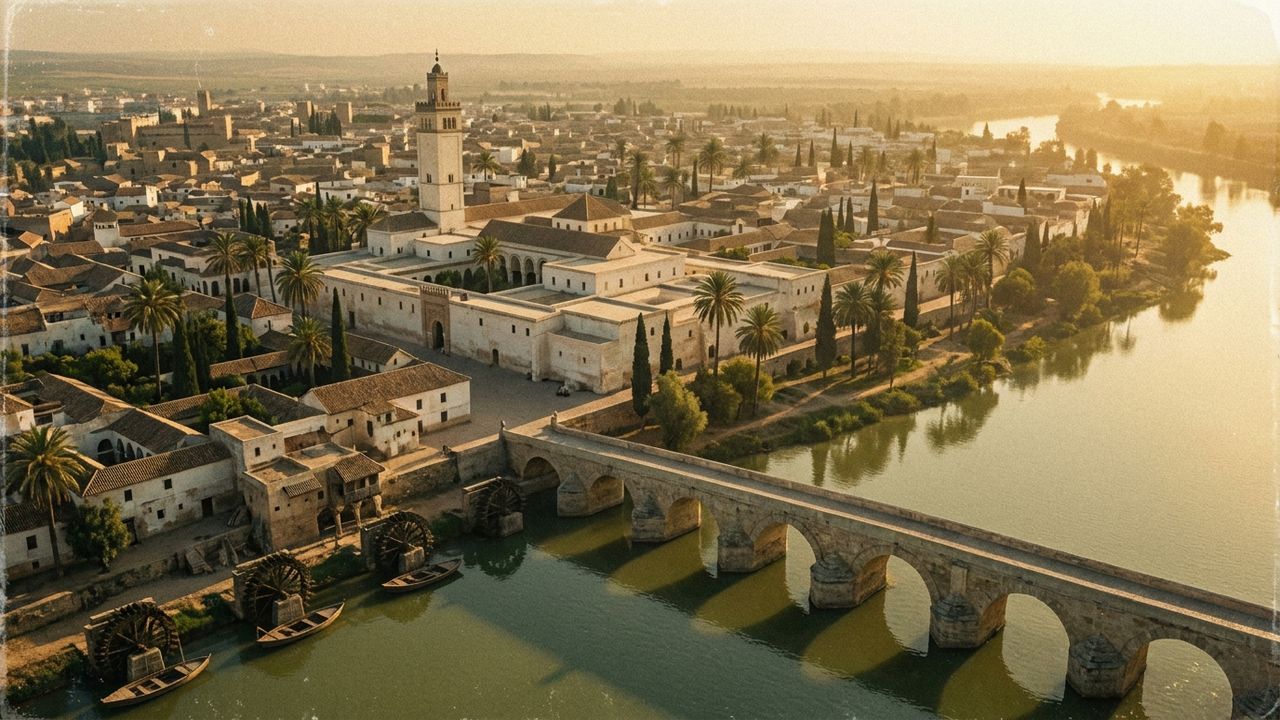
Islamic History in Spain
Al-Andalus from Tariq’s crossing in 711 to the last Moriscos in 1614, told as one clear story.

Islamic Science
Algebra, the experimental method, the Canon of Medicine and the machines centuries ahead of their time.
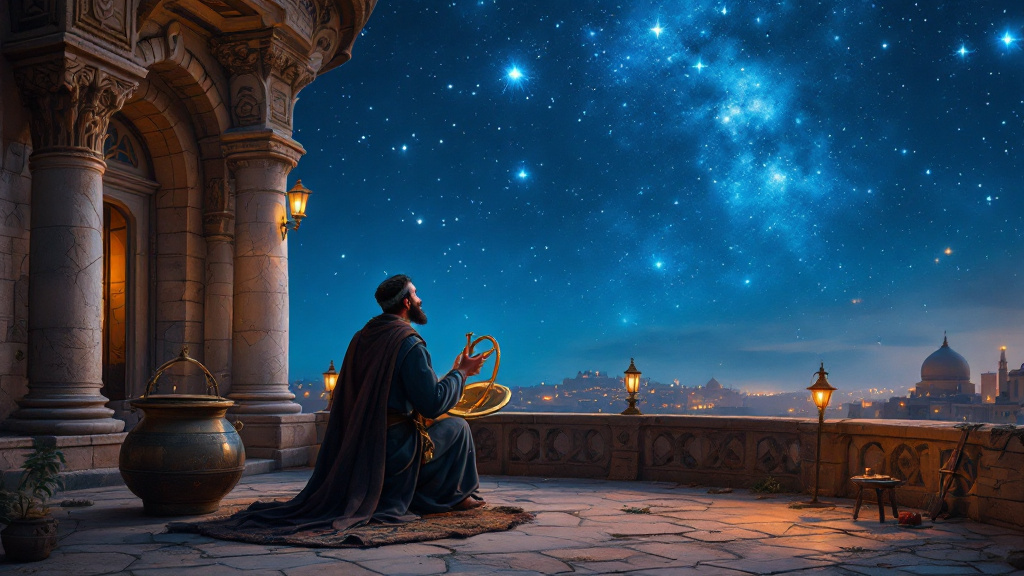
Islam and the Stars
The observatories, the astrolabe, and the Arabic star names the whole world still uses.
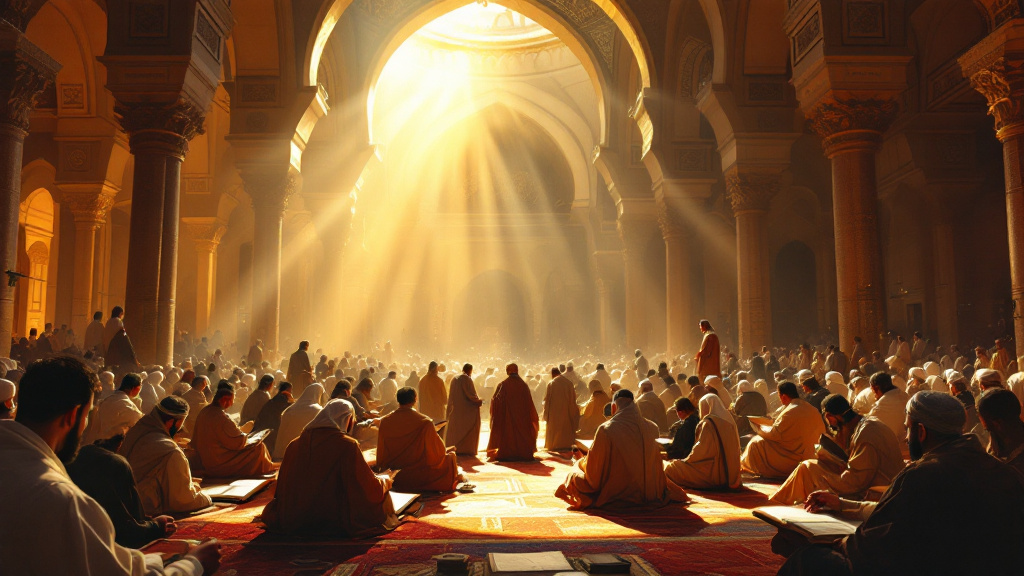
Important Figures in Islam
From the Prophet ﷺ and the Rashidun to the scientists, rulers and travellers who shaped the story.
The Islamic Quiz
Put your knowledge to work: free quizzes on the Quran, the Seerah and 1,400 years of history.
Learn Islamic history with Archives
Archives turns everything on this page into one short, true story a day, in order, from the very beginning. Sourced, built to stick, and made for people who want to understand their history without wading through textbooks.


Who writes these guides
History is only worth reading if it’s true, so here is who writes it.

“Most of us were handed our history in fragments. This page is the whole map: every era in its place, so you can finally see how one story leads to the next.”
Islamic history: frequently asked questions
When does Islamic history begin?
In the early 7th century, with the life of the Prophet Muhammad ﷺ (around 570 to 632). The Islamic calendar starts from the Hijra, his migration to Medina in 622 CE.
What are the main eras of Islamic history?
The Prophet’s lifetime and the Rashidun caliphs (610 to 661), the Umayyads (661 to 750), the Abbasids and the Golden Age (750 to 1258), Al-Andalus in Spain (711 to 1492), and the later empires, above all the Ottomans.
What was the Islamic Golden Age?
Roughly five centuries, from about 786 to 1258, when the Muslim world led the globe in science and learning, centred on Baghdad. Read the full guide.
Where should I start?
At the beginning, era by era. The key figures guide introduces the founding generation, and the Archives app teaches the whole story in order, five minutes a day.
Keep exploring
More of the story, on the web and in the app.