25 Facts About Islam: History and Everyday Life
Islam is the faith of about 2 billion people, and 1,400 years of our history sit behind it. Here are 25 facts: the everyday habits Muslims share, the scholars who changed science, the cities that collected the world's books, and the Muslim world as it is today. A few may surprise even those of us who grew up with them.
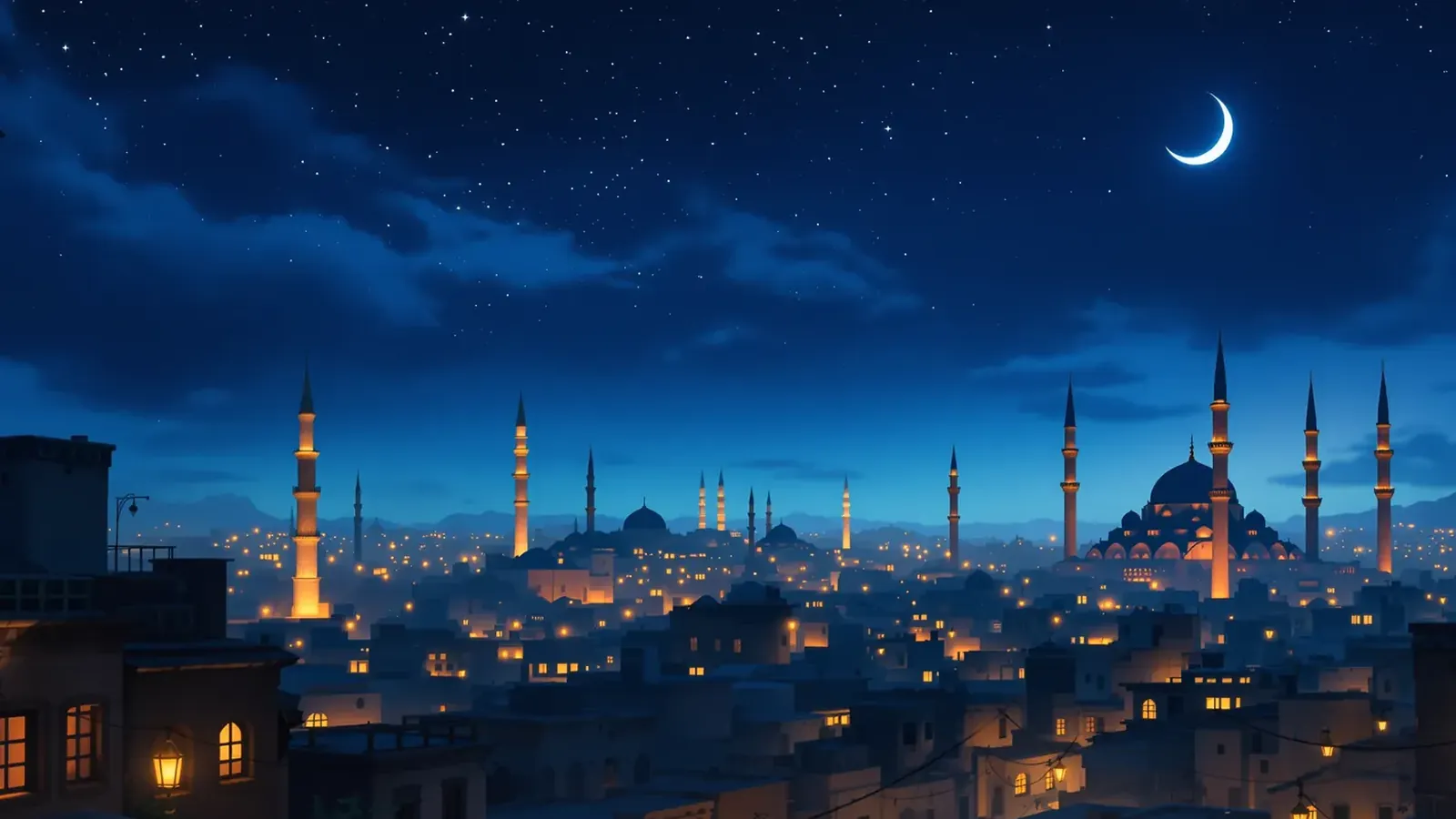
Everyday Muslim life
Muslims greet each other with peace
From Jakarta to Dakar, Muslims greet each other with “as-salamu alaykum,” peace be upon you. The reply is “wa alaykum as-salam,” and upon you be peace.
Muslims begin meals and new tasks in the name of Allah
Before eating, drinking or starting something new, Muslims say “Bismillah,” in the name of Allah. For most of us it is one of the first words we learned as children.
“In sha Allah” and “alhamdulillah” fill everyday Muslim speech
Muslims say “in sha Allah,” if Allah wills, when talking about the future, and “alhamdulillah,” all praise is for Allah, to give thanks, whether for good news or simply when asked how they are.
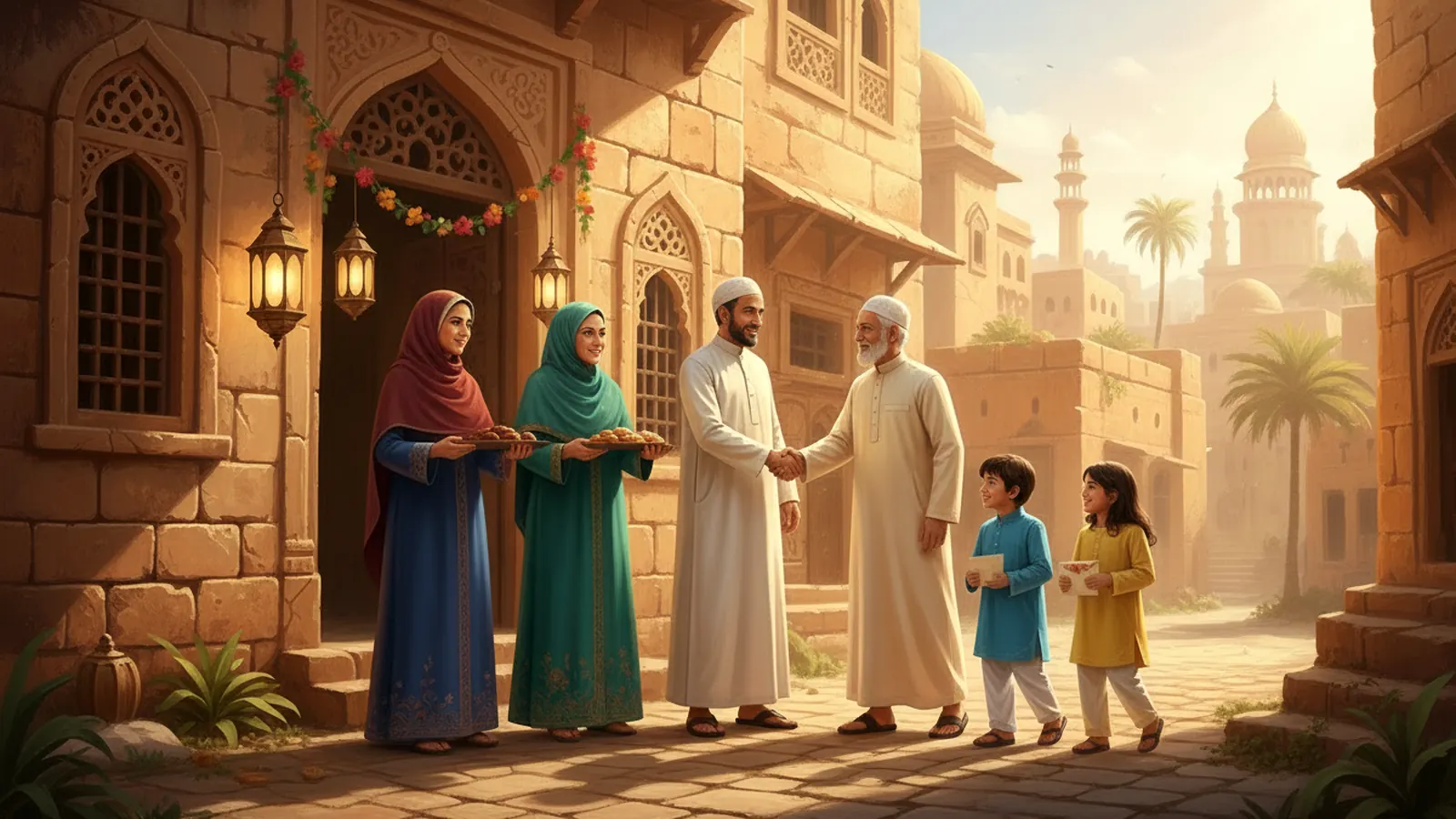
Muslims everywhere celebrate Eid al-Fitr and Eid al-Adha
Eid al-Fitr marks the end of Ramadan, and Eid al-Adha falls during the days of Hajj. Families put on their best clothes, visit relatives, share food and give gifts to children, and on Eid al-Adha meat is shared with neighbours and people in need.
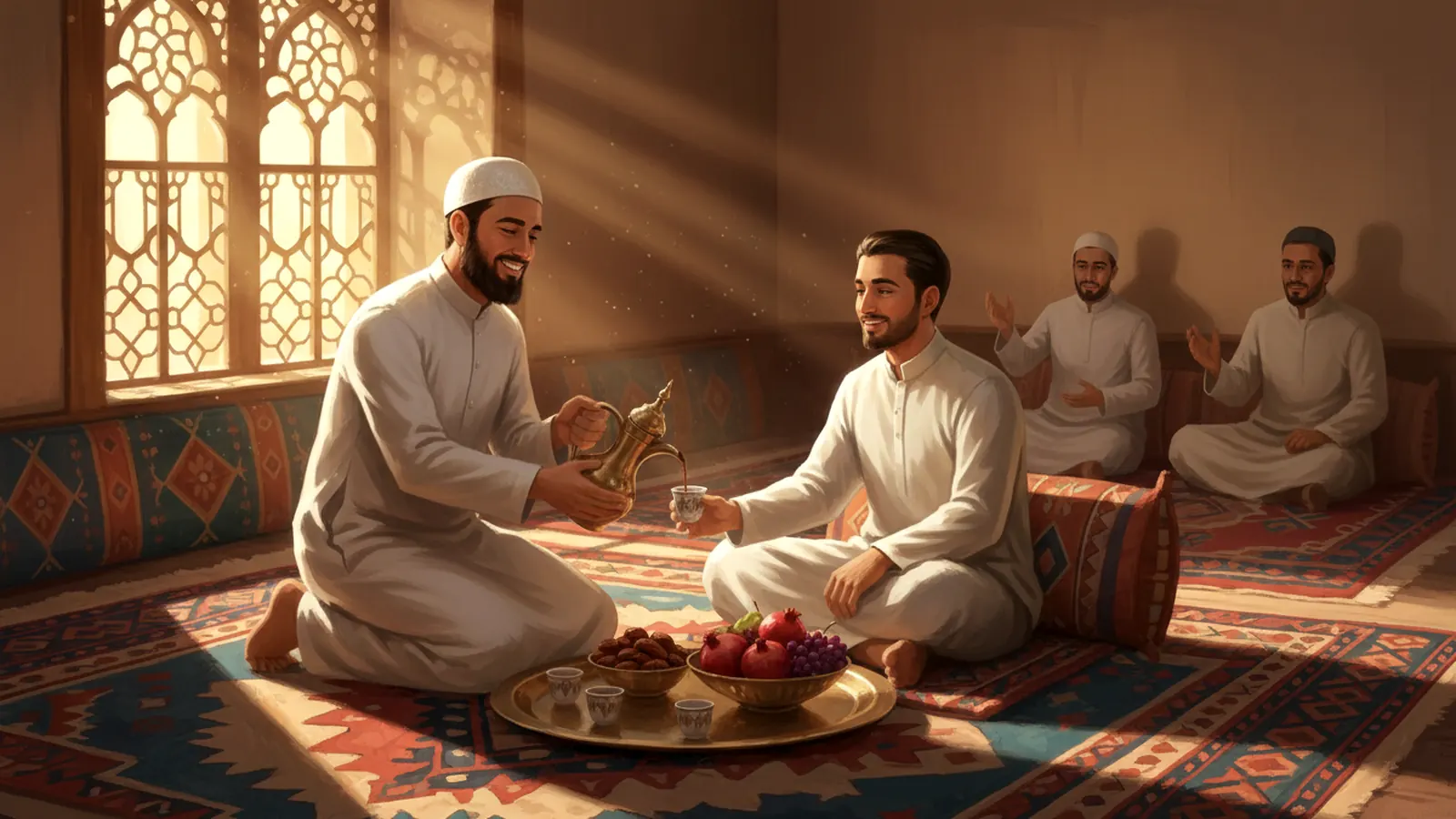
Honouring guests is a treasured Muslim tradition
Welcoming a guest with warmth, food and drink is part of Muslim life everywhere, from Arabic coffee and dates in the Gulf to mint tea in Morocco.
Science and medicine
“Algebra” and “algorithm” come from a Muslim scholar
In 9th-century Baghdad, al-Khwarizmi wrote a book whose title contained al-jabr, which became “algebra.” The Latin form of his own name gave us “algorithm.”
A Muslim scientist in Cairo showed that we see by light entering the eye
Writing in Cairo in the 11th century, Ibn al-Haytham showed in his Book of Optics that we see because light travels into the eye, and he tested his ideas with careful experiments.
A Muslim physician was the first to clearly tell smallpox and measles apart
Al-Razi, who ran hospitals in Rayy and Baghdad around the year 900, wrote the earliest known clear account separating the two diseases.
A Muslim physician’s medical encyclopaedia was taught for centuries
Ibn Sina’s Canon of Medicine, finished in the early 1000s, became a standard textbook in medical schools across the Muslim world and beyond for hundreds of years.
A Muslim surgeon in Cordoba described more than 200 instruments
In his encyclopaedia, al-Zahrawi illustrated more than 200 surgical tools, many of them his own designs, and explained how to use them.
Muslim cities built great hospitals that cared for patients free of charge
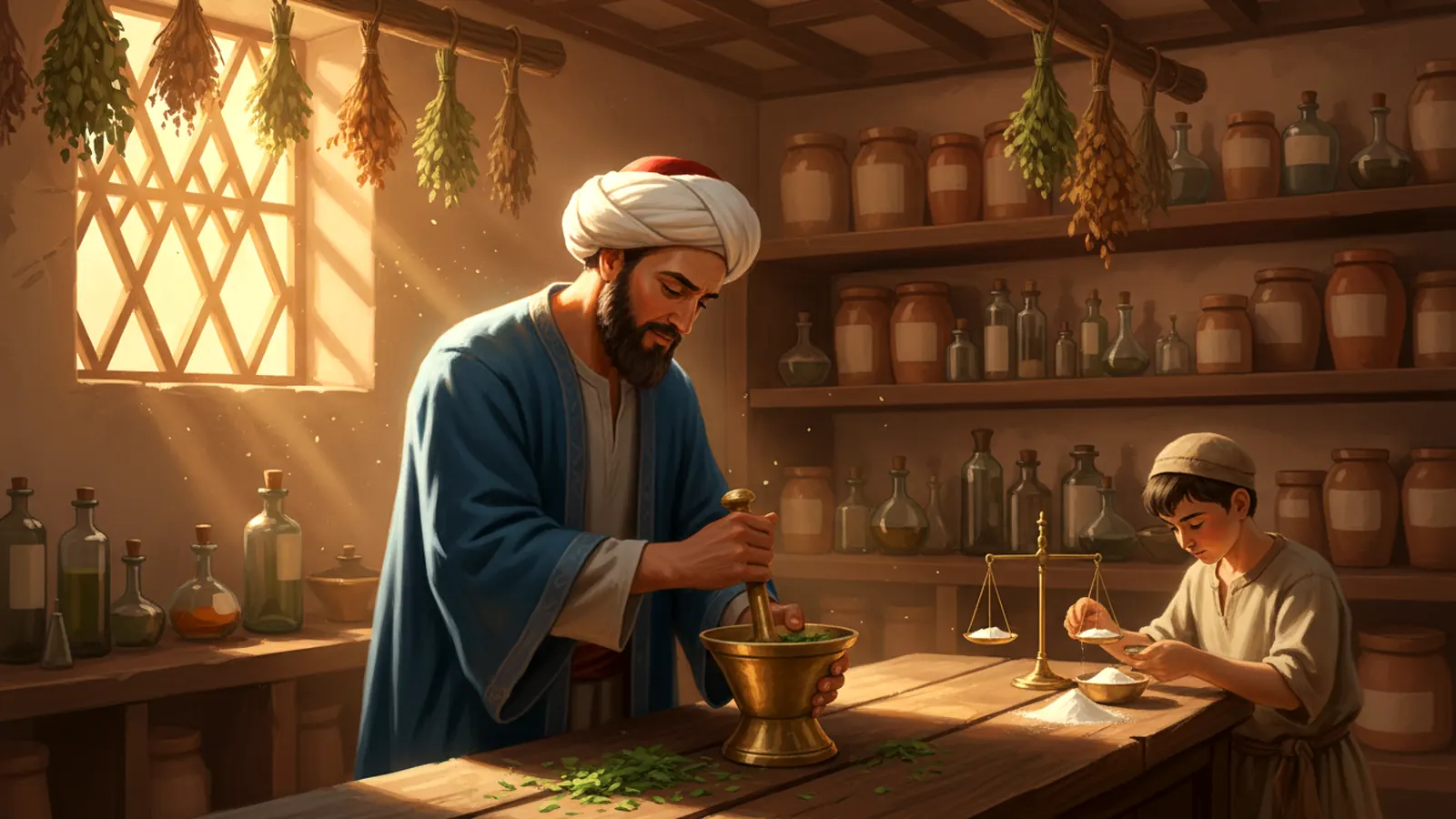
Baghdad, Damascus and Cairo built large hospitals, called bimaristan, with separate wards and trained staff. The al-Mansuri hospital in Cairo, founded in 1284, treated patients at no cost.
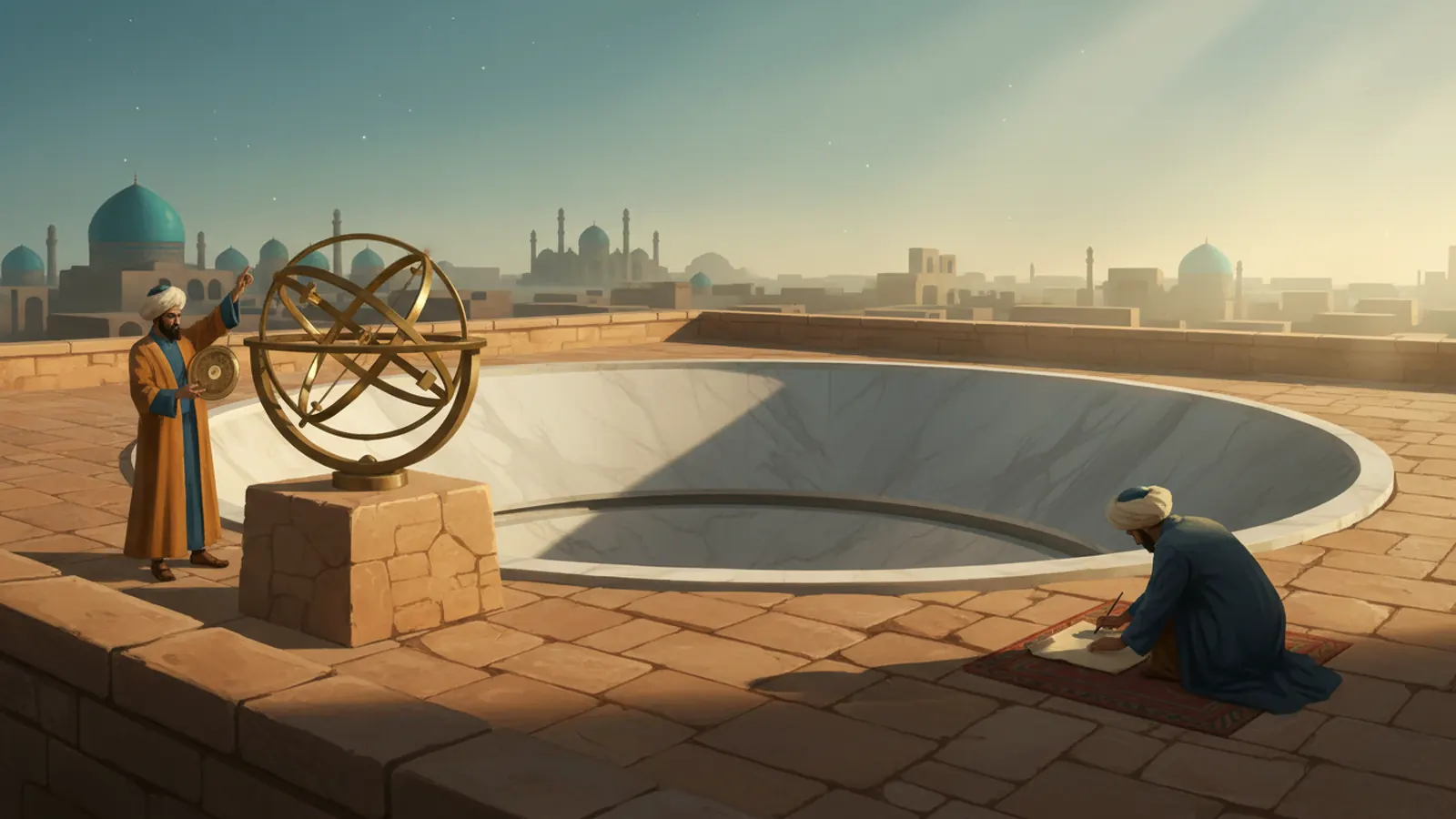
A Muslim astronomer measured the Earth from a mountain
In the 11th century, al-Biruni used a mountain, the horizon and trigonometry to calculate the size of the Earth, and his result came remarkably close to the modern figure.
Learning, books and trade
Muslim scholars in Baghdad gathered and translated the great books of their age
Under the Abbasid caliphs, scholars in Baghdad translated Greek, Persian and Indian works into Arabic, then went further with discoveries of their own in mathematics, medicine and astronomy. The story is in our guide to the Islamic Golden Age.
Paper filled the Muslim world with books
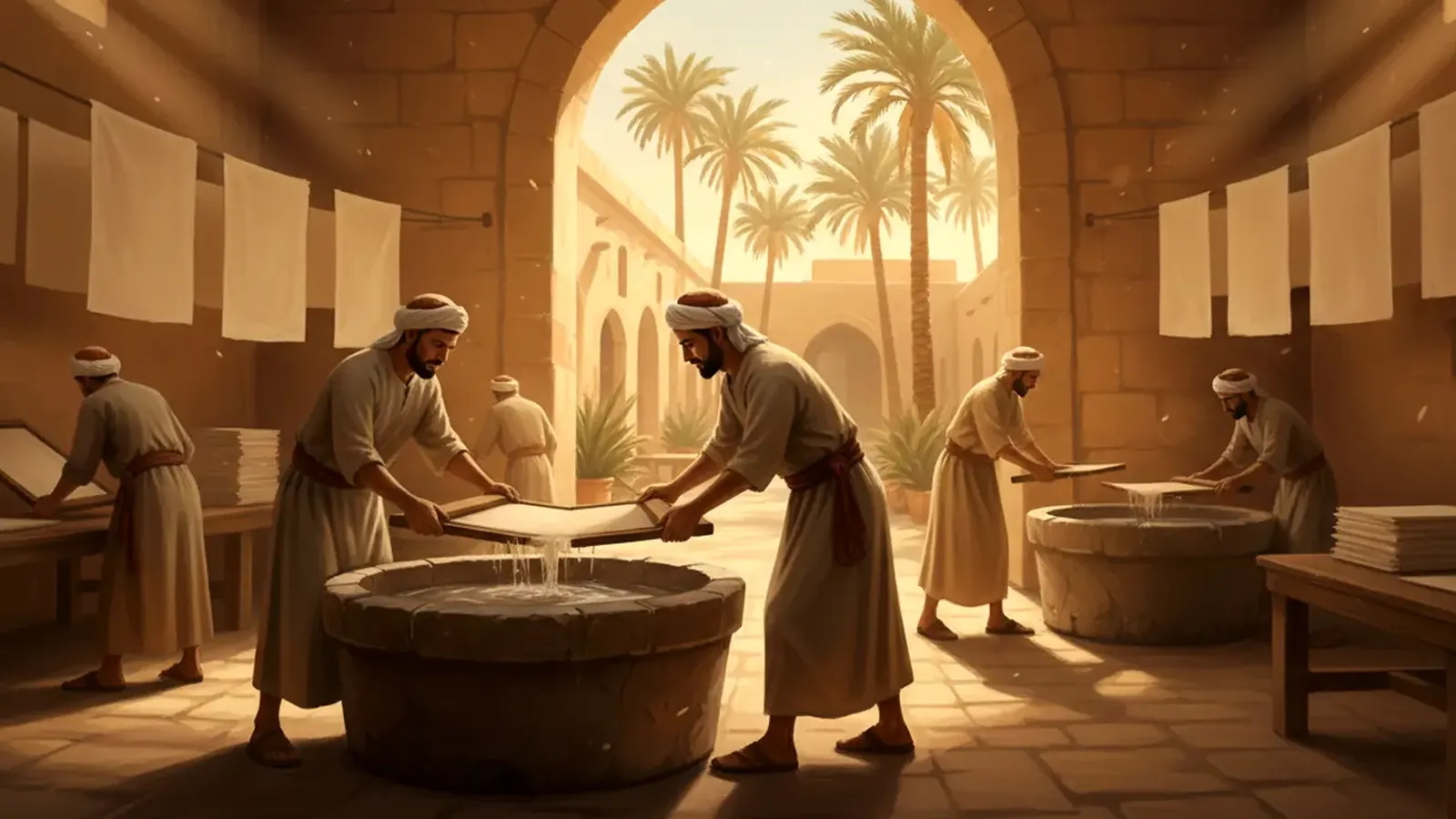
Papermaking reached Samarkand in the 8th century, and Baghdad had its own paper mill before the year 800. Cheap paper filled Muslim cities with books, bookshops and libraries.
The world’s oldest working place of learning was founded by a Muslim woman
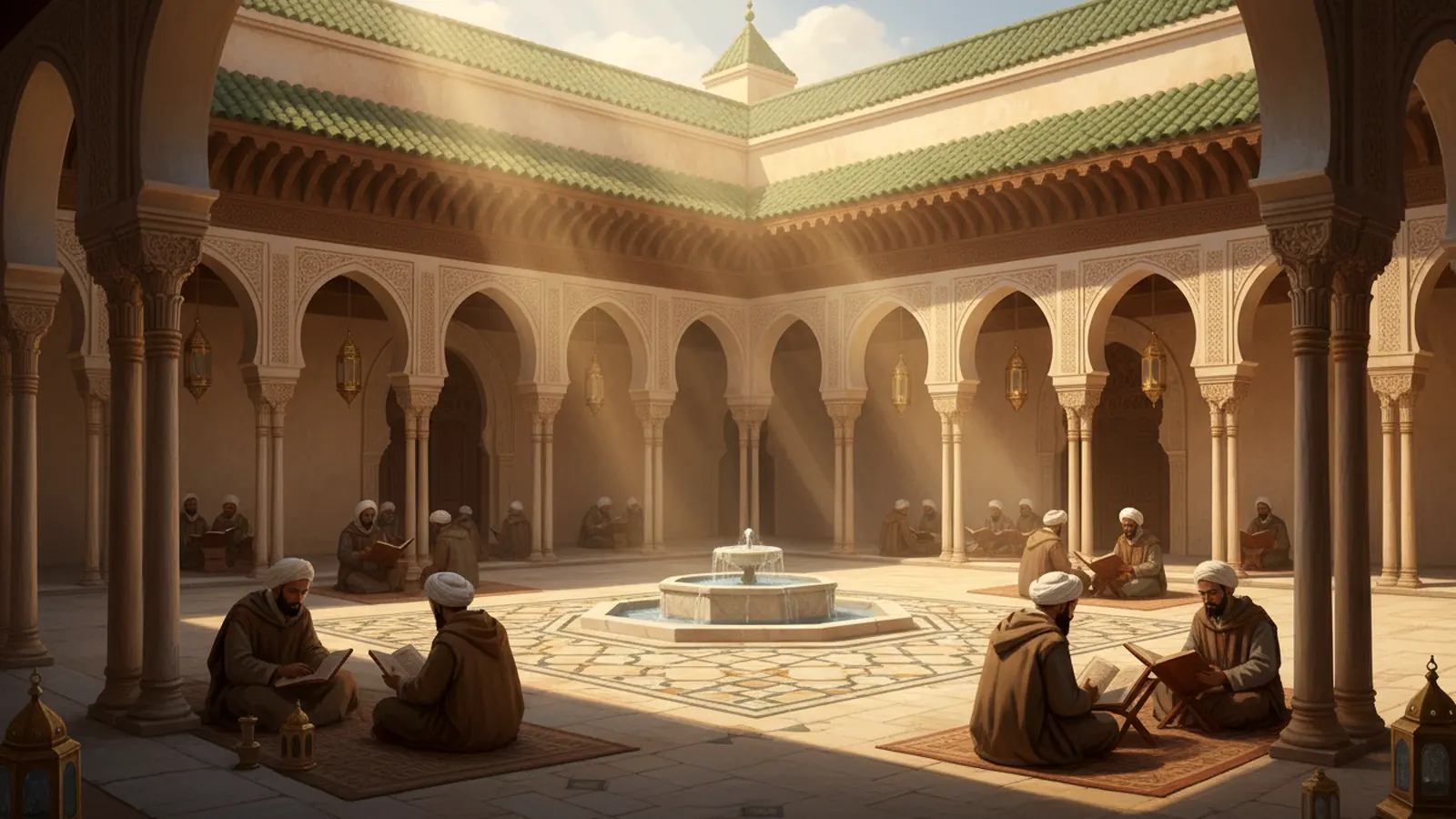
According to the historical sources, Fatima al-Fihri founded al-Qarawiyyin as a mosque in Fez, Morocco, in 859. It grew into one of the great centres of learning in North Africa, and it still teaches today.
Al-Azhar has been a centre of Islamic learning for over a thousand years
Founded in Cairo in 970 under the Fatimid caliphs, al-Azhar grew into one of the most famous centres of Islamic learning in the world, and students still travel from across the globe to study there.
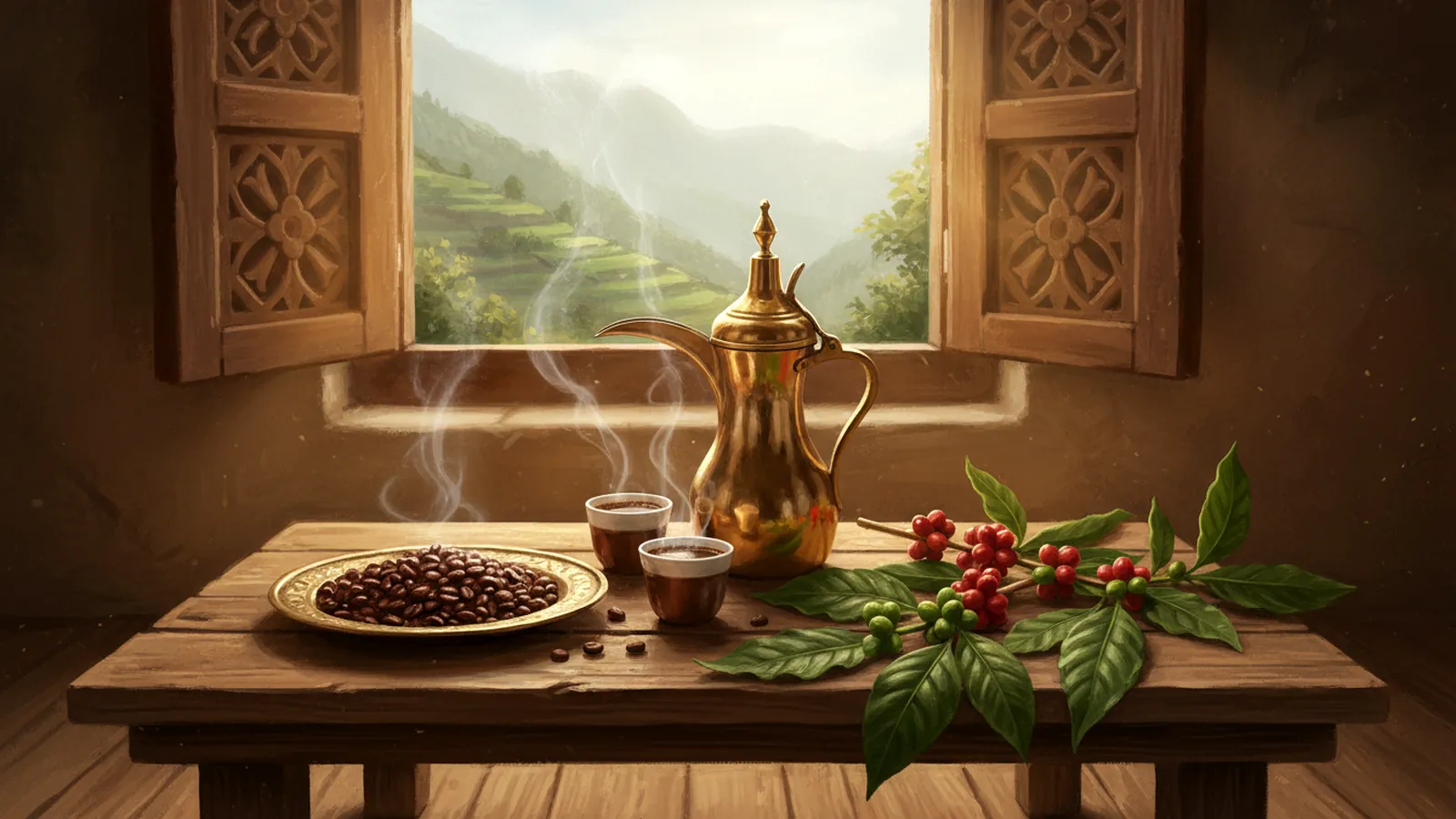
The first coffee drinkers on record were Muslims in Yemen
By the late 15th century, scholars and Sufi circles in Yemen drank coffee to stay awake through long nights. From there it travelled to Mecca, Cairo and Istanbul, and on to the rest of the world.
A Muslim geographer drew one of the great medieval world maps
In 1154 al-Idrisi completed a world map and an accompanying book of geography, one of the most detailed pictures of the known world for centuries.
Timbuktu was a great city of Muslim scholars
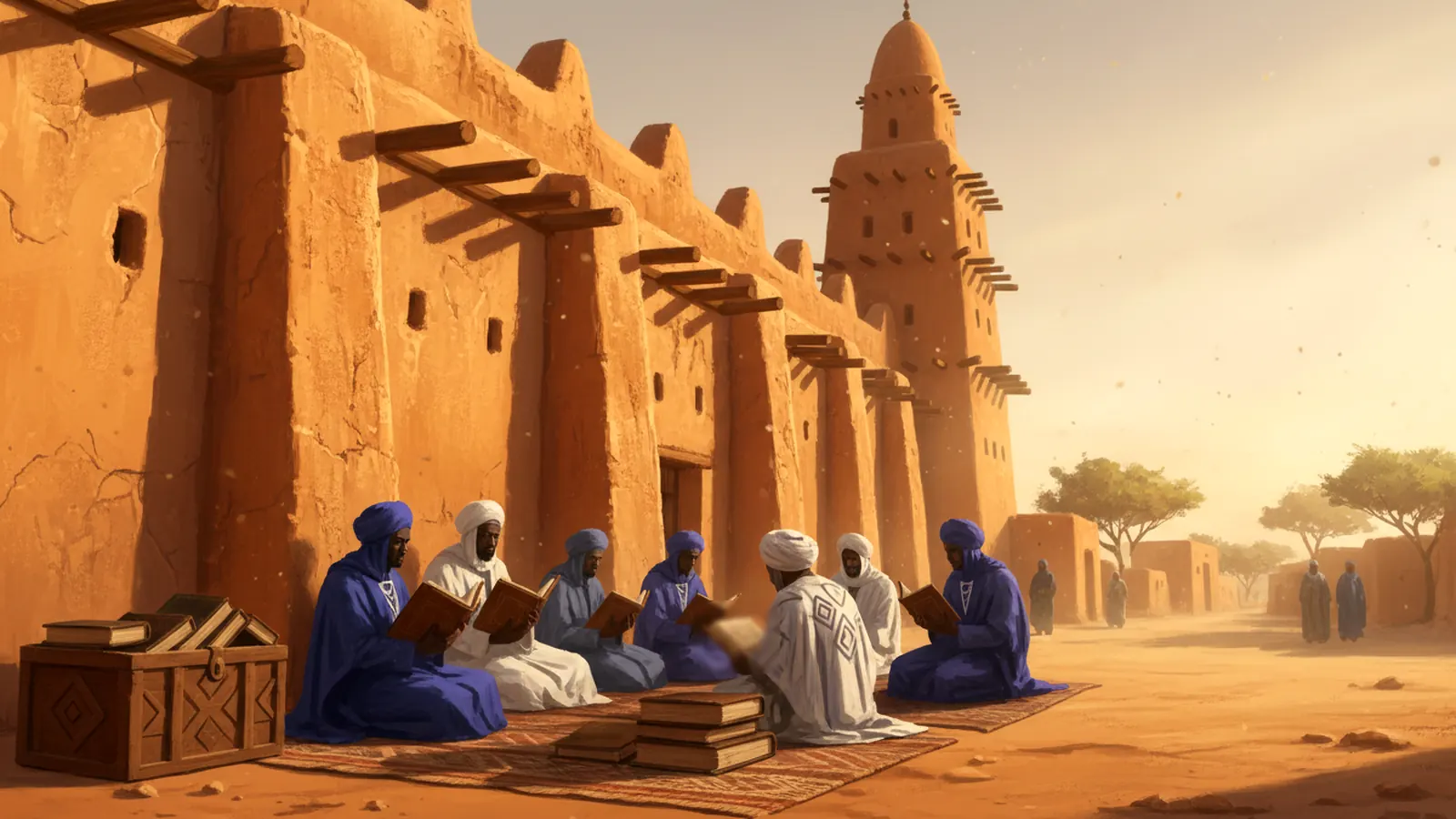
From the 14th century, Timbuktu in Mali was a famous centre of Islamic learning, and families there have preserved hundreds of thousands of handwritten manuscripts on law, astronomy, medicine and more.
Islam around the world
About one in four people is Muslim
There are about 2 billion Muslims, around a quarter of the world’s population.
Most Muslims are not Arab
Most of the world’s Muslims live in Asia. Indonesia and Pakistan have the largest Muslim populations, and India and Bangladesh each have well over 100 million.
Islam reached Southeast Asia with Muslim traders
Islam came to what is now Indonesia and Malaysia mainly through Muslim merchants and scholars who sailed the Indian Ocean trade routes.
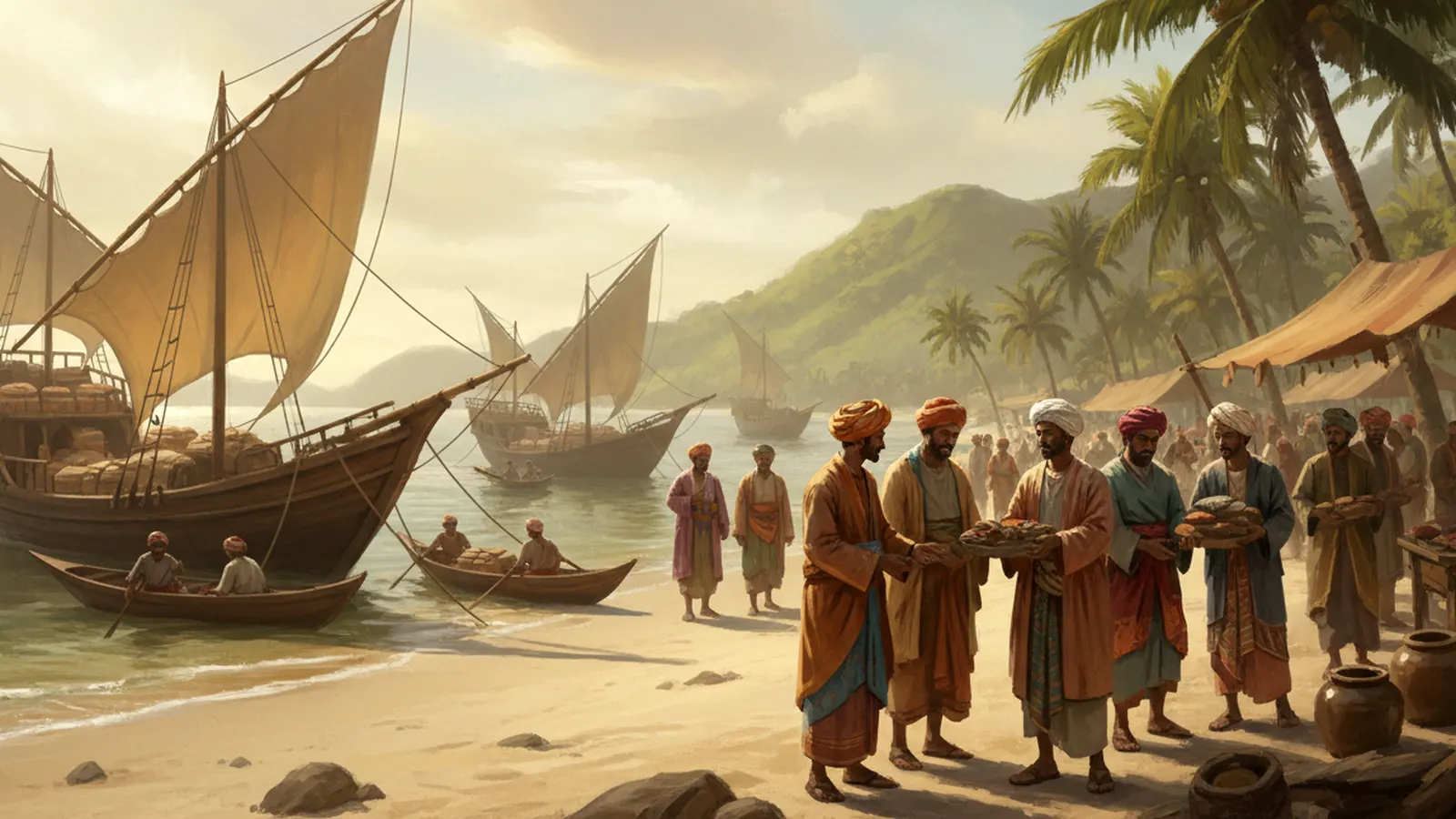
Muslim communities in China go back more than 1,200 years
Muslim traders reached China along the Silk Road and the sea routes, and some of the country’s oldest mosques trace their history back more than a thousand years.
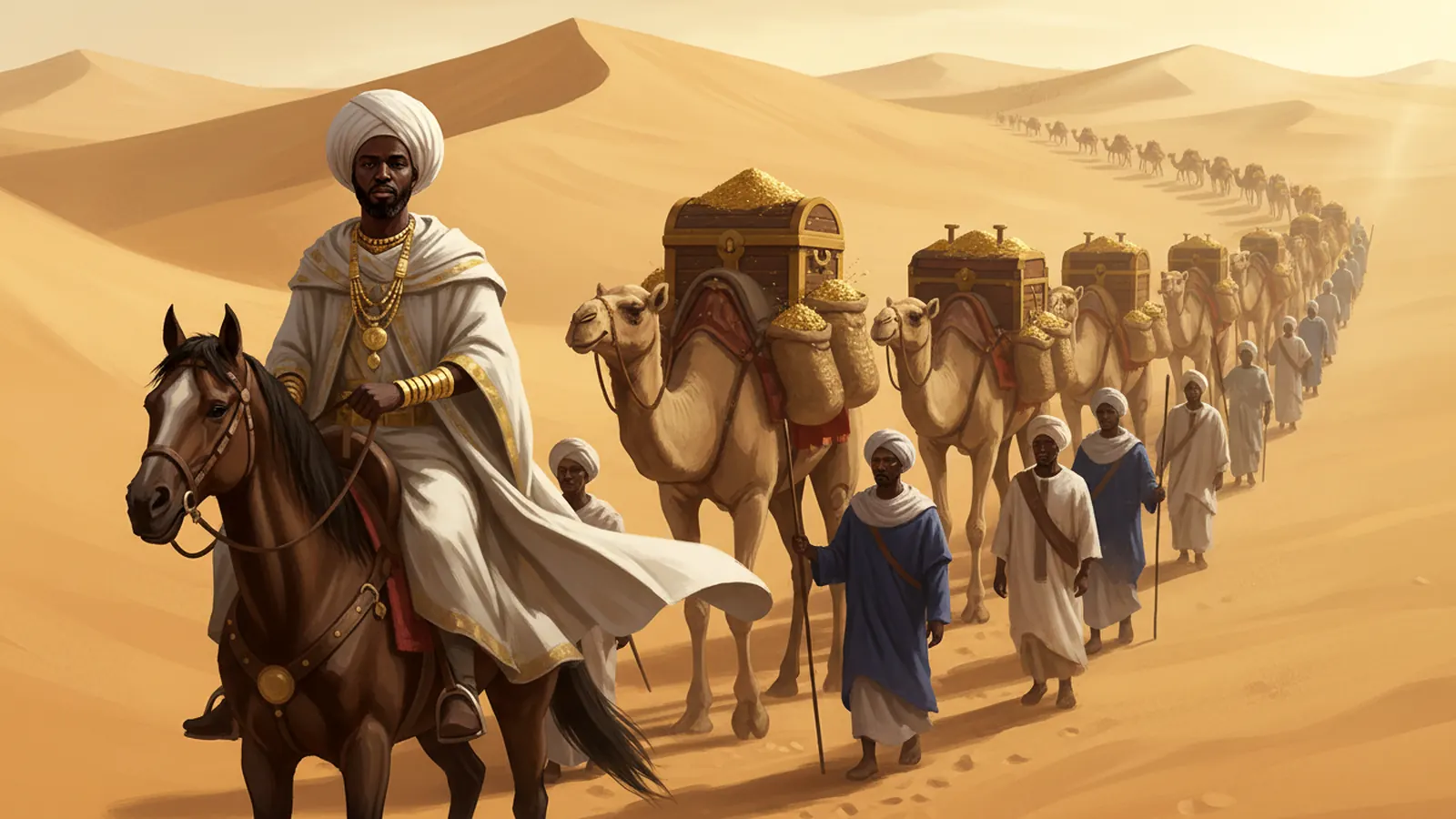
A Muslim king of Mali spent so much gold on Hajj that its price in Cairo fell
On his Hajj in 1324, Mansa Musa of Mali gave away so much gold in Cairo that its value there dropped for years, as writers of the time recorded.
The Muslim traveller Ibn Battuta journeyed for nearly 30 years
Setting out from Tangier in 1325, Ibn Battuta journeyed across North Africa, the Middle East, Central Asia, India, China and West Africa, covering more than 100,000 km.
For the story behind these facts, explore our guide to Islamic history, from the first Muslims in Mecca and Medina to the great empires.
Learn Islamic history with Archives
Every fact on this page has a bigger story behind it. Archives tells those stories one a day, illustrated and in order, from Mecca and Medina to the scholars, travellers and cities that followed.
- Five minutes a day: one story and one quick question, and you have learned something that stays with you.
- Told in order: you start at the beginning, so each era makes sense of the next.
- Carefully researched and sourced: each story stays with the historical account.
- Free to start: on the web or in the app, with no card needed.


Who writes these guides
Written by Basel Gazi for Archives.

“My community is full of people who care deeply about understanding their history but never knew where to start. Most resources were built for academics, not for them. Archives puts real Islamic history in everyone’s hands, without the complexity.”
Facts about Islam: frequently asked questions
What are some interesting facts about Islamic history?
Muslim scholars gave the world algebra and the word algorithm, explained how vision works, and ran hospitals that treated patients free of charge. Al-Qarawiyyin in Fez, which began as a mosque founded by Fatima al-Fihri in 859 according to the historical sources, is recognised as the oldest working place of learning in the world.
Who invented algebra?
Algebra takes its name from al-jabr, a word in the title of a book by al-Khwarizmi, a scholar in 9th-century Baghdad who is often called the father of algebra.
What is the oldest university in the world?
Al-Qarawiyyin in Fez, Morocco, is recognised as the oldest working place of learning in the world. According to the historical sources, Fatima al-Fihri founded it as a mosque in 859.
How do Muslims greet each other?
With “as-salamu alaykum”, peace be upon you. The reply is “wa alaykum as-salam”, and upon you be peace.
Which country has the most Muslims?
Indonesia, with Pakistan close behind. India and Bangladesh each have well over 100 million Muslims too, which is why most Muslims live in Asia.
How many Muslims are there in the world?
About 2 billion, around a quarter of the world's population. Most of them live in Asia.
Keep exploring
More of the story, on the web and in the app.