Important Figures in Islam: The People Who Shaped 1,400 Years
Islamic history is really the story of its people: a prophet, the leaders who followed him, the scholars who preserved his teaching, and the scientists, rulers and travellers who carried the faith across the world. Here are the most important figures, grouped so you can see how they fit together.
The Prophet Muhammad ﷺ
Every list of important figures in Islam begins with the Prophet Muhammad ﷺ (around 570 to 632), the final Prophet in a line that runs from Adam (AS) through Nuh (AS), Ibrahim (AS), Musa (AS) and Isa (AS). The Qur'an was revealed to him over 23 years. Born in Mecca, he faced early persecution, made the migration to Medina in 622 that begins the Islamic calendar, and by the end of his life had united much of Arabia. His words and example, the Sunnah, remain the second source of guidance in Islam after the Qur'an itself.
Out of respect, Muslims say “peace be upon him” after his name, which the symbol ﷺ represents, and traditionally do not make images of him. The same respect extends to the earlier prophets.
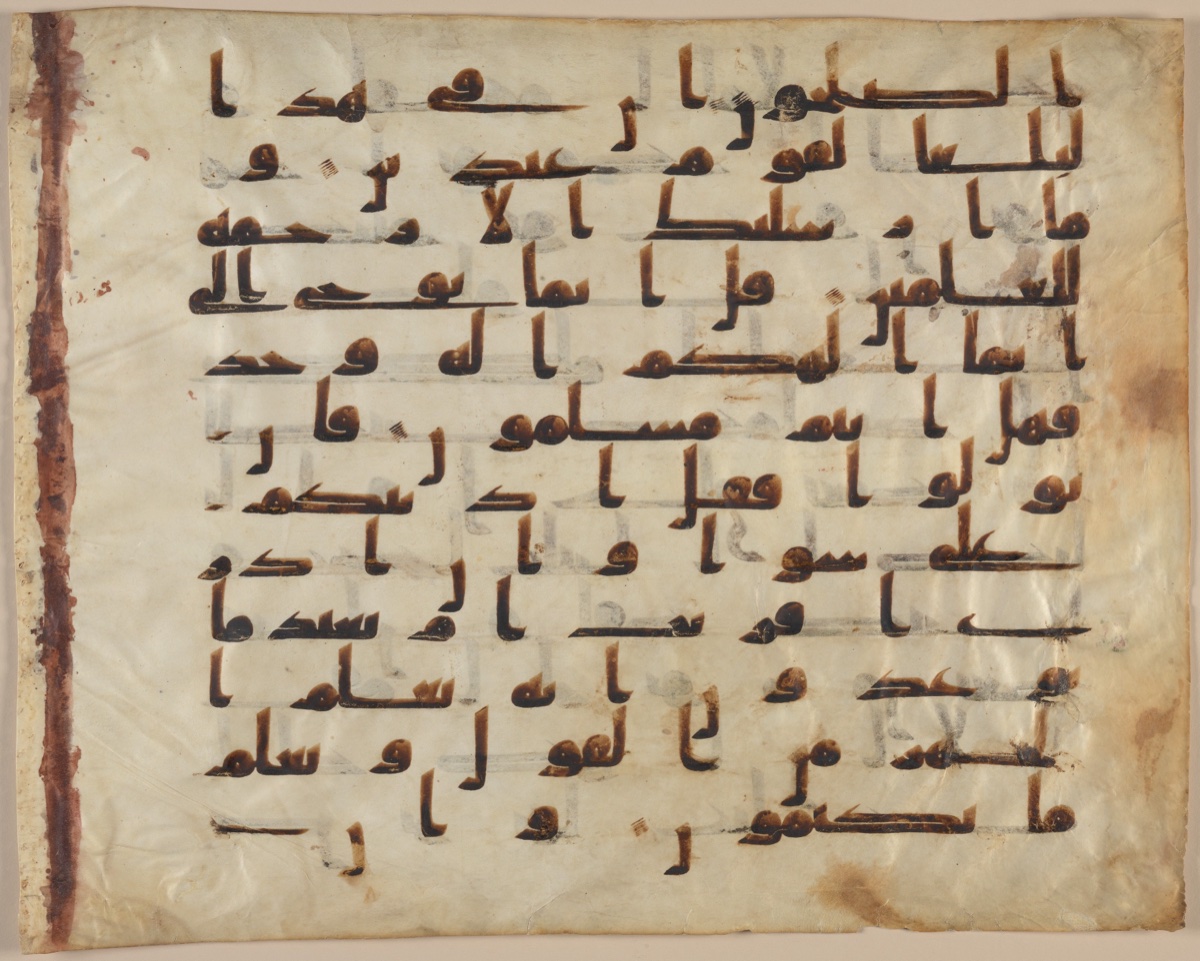
The four Rightly Guided caliphs
After the Prophet's death in 632, four of his closest companions led the community in turn. Sunni tradition calls them the Rashidun, the Rightly Guided.
Abu Bakr (RA)
The Prophet's closest friend and first caliph. He held the young community together and began gathering the Qur'an into one text.
Umar ibn al-Khattab (RA)
A gifted administrator under whom the state expanded rapidly. He built much of its early government and justice system.
Uthman ibn Affan (RA)
He oversaw the compilation of the Qur'an into a single standard version, copies of which were sent across the empire.
Ali ibn Abi Talib (RA)
The Prophet's cousin and son-in-law, revered for his learning and piety, and central to Shia Islam as the first imam.
The great scholars
As the community grew, scholars worked out how to live by the Qur'an and the Sunnah. Their schools still shape how most Muslims practise today.
Abu Hanifa
Founder of the Hanafi school of law, the most widely followed in the world today.
Malik ibn Anas
Founder of the Maliki school and author of one of the earliest collections of Islamic law.
al-Shafi'i
Founder of the Shafi'i school, who set out the classic method for deriving law from the sources.
Ahmad ibn Hanbal
Founder of the Hanbali school, famous for his strict fidelity to the Qur'an and hadith.
al-Bukhari
The scholar whose collection of hadith is regarded by Sunnis as the most authentic after the Qur'an.
al-Ghazali
Theologian and mystic whose work bridged law and spirituality and reshaped later Sunni thought.
The scientists and thinkers
During the Islamic Golden Age, Muslim scholars led the world in science and philosophy. Read the full story of their work in Islamic science.
al-Khwarizmi
Founded algebra and gave us the word algorithm. He helped spread the numeral system we use today.
Ibn al-Haytham
Explained how vision works and insisted on testing ideas by experiment, an early scientific method.
Ibn Sina (Avicenna)
Physician and philosopher whose Canon of Medicine was a European textbook for centuries.
al-Razi (Rhazes)
A brilliant physician, the first to clearly distinguish smallpox from measles.
al-Zahrawi
The great surgeon of Cordoba whose illustrated encyclopaedia helped found modern surgery.
Ibn Rushd (Averroes)
The philosopher of Cordoba whose commentaries on Aristotle shaped medieval European thought.
The rulers who changed the map
Abd al-Rahman I
The exiled Umayyad prince who founded Muslim rule in Spain. Read more in Islamic history in Spain.
Salah al-Din (Saladin)
United Egypt and Syria and retook Jerusalem in 1187, admired by friend and foe for his chivalry.
Mehmed II
The Ottoman sultan who conquered Constantinople in 1453, ending the Byzantine Empire.
Suleiman the Magnificent
The Ottoman ruler under whom the empire reached its cultural and military height.
Explorers and minds beyond science
Ibn Battuta
The greatest traveller of the medieval world, who journeyed some 73,000 miles across three continents.
Ibn Khaldun
Historian and thinker whose Muqaddimah laid early foundations for sociology and the study of history.
Fatima al-Fihri
The woman who founded al-Qarawiyyin in Fez in 859, often called the oldest existing university in the world.
Rabia al-Adawiyya
An early and beloved Sufi mystic whose poetry on the love of God shaped Islamic spirituality.
Learn Islamic history with Archives
Archives turns the lives on this page, and 1,400 years around them, into one short, true story a day. Sourced, built to stick, and made for people who want to understand their history without wading through textbooks.


Who writes these guides
History is only worth reading if it’s true, so here is who writes it.

“It is hard to love a history you only know as dates. I want people to meet the actual human beings behind it, from the Prophet ﷺ to a traveller like Ibn Battuta.”
Important figures in Islam: frequently asked questions
Who is the most important figure in Islam?
The Prophet Muhammad ﷺ (around 570 to 632), the final Prophet of Islam. The Qur'an was revealed through him, and his example guides Muslim life.
Who were the four Rashidun caliphs?
Abu Bakr (RA), Umar ibn al-Khattab (RA), Uthman ibn Affan (RA) and Ali ibn Abi Talib (RA). They led the community after the Prophet's death in 632 and are called the Rightly Guided caliphs.
Who are the most famous Muslim scientists?
al-Khwarizmi, Ibn al-Haytham, Ibn Sina, al-Razi, al-Zahrawi and Ibn Rushd, among others. Read about their work in Islamic science and the Islamic Golden Age.
Who was Saladin?
Salah al-Din (1137 to 1193), a Kurdish Muslim ruler who united Egypt and Syria and retook Jerusalem in 1187 during the Crusades, admired on both sides for his chivalry.
Keep exploring
More of the story, on the web and in the app.